


Stella McCartney: the Sustainable Queen of Luxury
- Material Talk
- Sep 30
- 1 min read
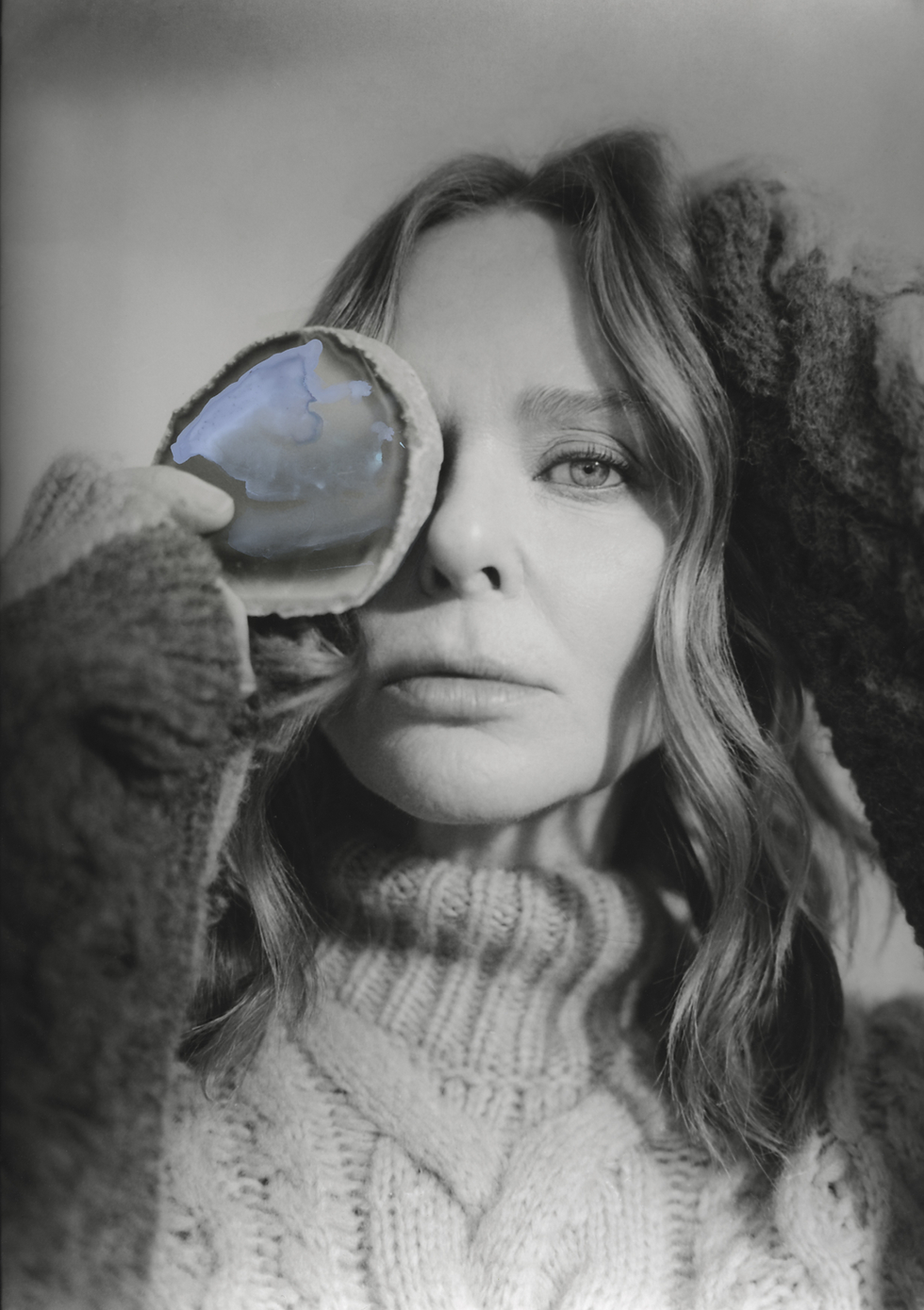
No leather, no fur. The brand does not to use leather, fur, skins, feathers, or even animal glues. It's a design choice and it avoids the massive carbon footprint and deforestation linked to livestock.
Future-forward materials.Stella is always experimenting with alternatives: mycelium leather made from mushrooms, ECONYL® regenerated nylon, recycled polyester, and even grape-based leather from wine industry waste. She’s swapped out virgin cashmere for recycled versions, and uses bio-acetate for eyewear and bio-based TPU in sneakers.
Circular fashion in action. She’s made products like the Close-the-Loop Parka, a coat designed to be fully regenerated into new yarn once it’s worn out. It’s fashion with an actual end-of-life plan.
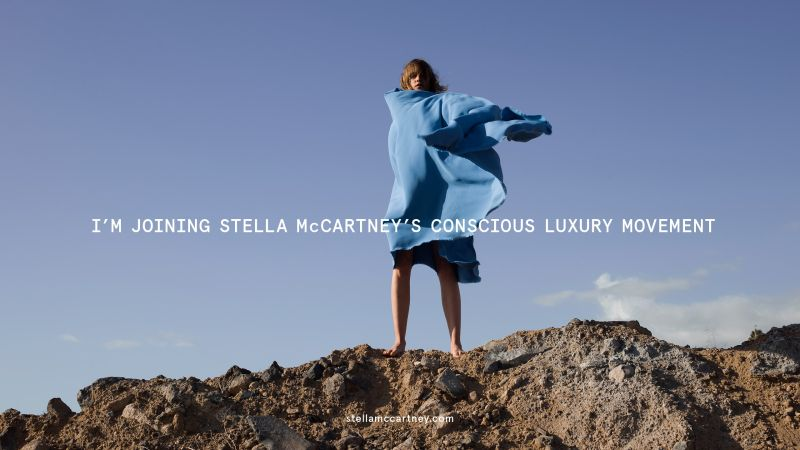
Radical transparency. Her team sources forest-friendly viscose, traces cotton via blockchain pilots, and uses FSC-certified packaging and fibres. It’s nerdy supply-chain stuff, but it’s the backbone of real sustainability.
Low-impact operations. Stores and offices run on renewable energy where possible, PVC has been completely banned, and packaging is FSC-certified and biodegradable. Even the lighting is energy-efficient LEDs.
Always innovating.Instead of waiting for the industry to catch up, Stella partners with biotech startups to test out next-gen solutions: like infinitely recyclable polyester that can be broken down and remade again and again.
Setting goals (and measuring them).The brand uses Kering’s Environmental Profit & Loss tool to track its footprint, and it’s committed to cutting Scope 3 emissions (the big chunk: supply chain) by 2030.
The brand proves you can design clothes that are luxurious, modern, and cruelty-free without trashing the planet. Catch her SS26 show live streaming on Instagram at 8pm CET.


Comments